Beacon Post
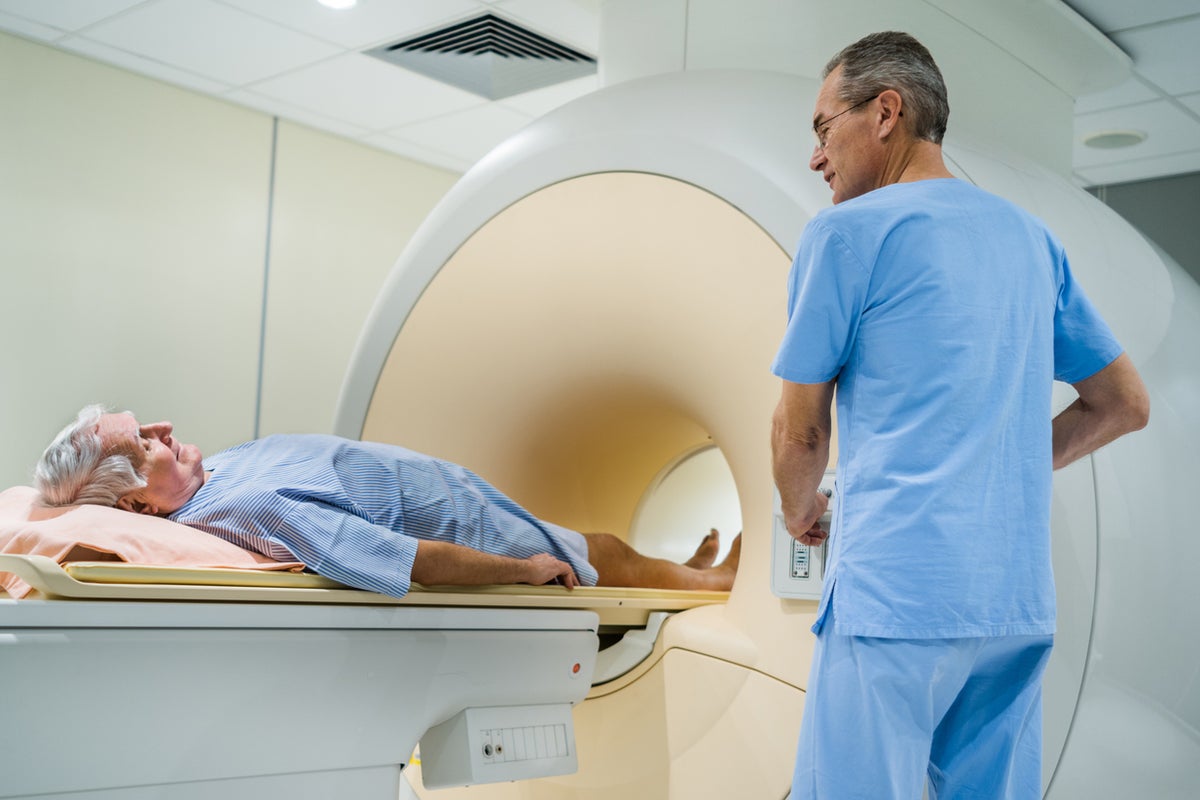
Artificial intelligence programmes are to be deployed across the NHS in England to assist doctors in identifying prostate cancer on MRI scans. According to the National Institute for Health and Care Excellence (Nice), the software will function as a "second pair of eyes" for clinical staff. In fresh draft guidance, the health service spending watchdog recommended five specific tools, which will be trialled across the NHS for two years to collect further evidence regarding how they work.
These systems aim to support radiologists by highlighting areas on prostate scans where cancer may be present. Nice noted that demand for prostate MRIs has risen, driven by the routine use of pre-biopsy scans to confirm or rule out the disease. This increase has added strain to radiology teams already stretched by workforce pressures.
Dr Anastasia Chalkidou, programme director for HealthTech at Nice, said: “These AI technologies have the potential to act like a second pair of eyes, helping radiologists review prostate MRI scans. “They have the potential to make MRI reporting more accurate and could help identify people whose scans need priority review.” There are around 68,000 men diagnosed with prostate cancer in the UK every year. Professor Peter Johnson, NHS national clinical director for cancer, said: “Waiting to find out if you might have cancer is stressful for patients and their families, so anything that helps us give men clear answers sooner is very welcome.
There are around 68,000 men diagnosed with prostate cancer in the UK every year (Alamy/PA) “Prostate cancer is the most common cancer in England, and these AI tools can help radiologists identify areas of concern on MRI scans and support faster, more accurate diagnosis. “A radiologist will review every scan, so the technology supports our expert staff but does not replace them. “As we have already seen with AI in lung cancer, innovations like this can help us diagnose cancers faster, and we welcome the opportunity to gather more evidence on how they work for different patients across the NHS.” An independent Nice committee said AI could improve the accuracy and consistency of how prostate MRIs are interpreted, though more evidence is needed on how they work in routine NHS practice.
Dr Adrian Hayter, GP and chief medical officer at Nice, added: “These tools could help radiologists identify clinically significant prostate cancer more accurately and consistently, while helping NHS services manage growing demand for scans. “They would support, not replace, radiologists, who would still review the scan and the AI results before any decisions about patient care.” Amy Rylance, director of health services, equity and improvement at Prostate Cancer UK, said men with suspected cancer “often face long, anxious waits for tests”. She added: “With increasing pressure on the NHS and growing numbers of men being diagnosed with prostate cancer, AI could be a game changer for radiologists, unlocking capacity to read MRI scans, and improving the consistency, speed and detection of dangerous cancers.
“This is a big step forward for men with prostate cancer as it means they can get a faster and more accurate diagnosis. “It’s also good for the men referred who do not have cancer as they can get the all-clear far quicker – reducing stress.”
Source: The Independent